

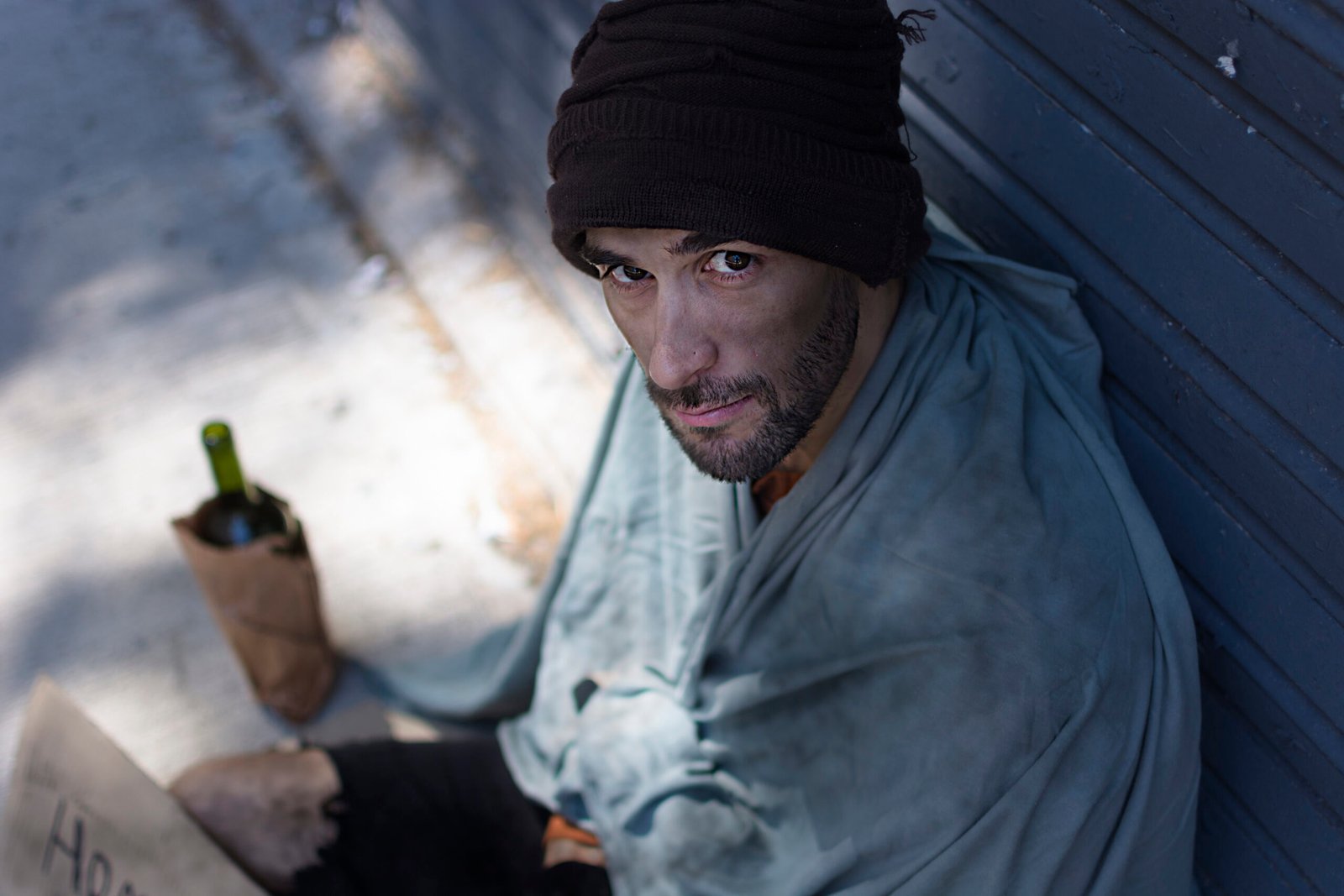
I’ve been researching and writing about homelessness for five years. I’ve learned that homelessness in America has existed for hundreds of years. The modern day crisis began in the 1980s driven by gentrification, deinstitutionalization, economic downturns, and budget cuts.
While historic forms of homelessness were often temporary or tied to specific economic events (wars, Great Depression, recessions), the current era features chronic homelessness because of a lack of affordable housing, substance abuse, alcoholism, and mental illness. www.ncbi.mim.nih.gov, 2018, www.urbancollaborative.ycp.edu/homelssness, 2024
Shot Gun Approach
Laws and policies enacted by Congress and states originated in 1932 with the Emergency Relief and Construction Act and renamed and redefined in 2000 as the McKinney-Vento Homeless Assistance Act.
During the past 93 years, more than twelve attempts toward ending homelessness have failed. During the modern era, homelessness has increased from year to year. In 2016, the number of people experiencing homelessness was 549,928. In 2024, the number was 777,000.
In addition, laws, executive orders, policies, and programs have been used by the federal, state, and city governments to deal with the homeless crisis. Safety net programs ( Medicaid, food stamps), housing (Housing First), funding for nonprofit resources and support, Department of Justice (DOJ), Health and Human Services (HHS), Housing and Urban Development (HUD), Education (ED), and Veteran Administration (VA) have been used as a means to end homeless.
Continuum of Care (CoC) provides specific funding for nonprofits, state, and local governments with program guidance, data collection, and reporting. The National Network for Youth (NNFY) and the National Center for Homeless Education (NCHE) offer additional support for homeless youth.
Furthermore, the Supreme Court, Trump, Congress, States, and Cities have set policies, implemented programs, and funded a variety of options to deal with the homeless crisis.
- The Supreme Court (2024) reinforced legislation that allows states and cities to destroy homeless encampments for safety reasons.
- Trump signed an executive order (2025) to ban encampments, institutionalize, and force shelter the homeless.
- Congress (2025) approved 10 billion for homeless programs.
- States and cities (2024) have destroyed encampments, used forced sheltering, detained, fined, and incarcerated the homeless.
Despite the billions of dollars, and numerous policies and programs, there is no indication that homelessness will decrease or end in the foreseeable future unless a new strategy is used.
The shotgun approach is too broad and often too discriminatory. It involves trying many different things at once in the hope that one of them will succeed.
Characteristic of a Shotgun Approach (AI Overview)
- Aims at covering a wide range of possibilities (laws, policies, programs, funding).
- Including too many homeless groups (situational, generational, families and children, unaccompanied youth, teens, mentally ill, aging homeless, vets, LBFTQ+) in an attempt to end homelessness rather than targeting the most needy.
- Emphasis on a number of attempts without success (1932 to 2025).
- Expectations that a few positive attempts will emerge from a large volume of attempts (safety net programs, Housing First, institutionalization, encampment destruction, forced sheltering, detainment, fines, incarceration).
- Lacks precision, accuracy, and detailed planning (needs assessment-homeless groups, race, age, gender, cause, effect, available resources and support).
- Trying a wide range of potential fixes for a problem without deep analysis can lead to unintended consequences (troubleshooting).
Shotgun Approach Pros
- Useful when a target group (homeless) is limited to need (chronic, unaccompanied youth, teens, families and children).
Shotgun Approach Cons
- Less effective
- More expensive per successful outcomes
- Lower conversion rate
- Inefficient
Why Hasn’t the Shotgun Approach Worked to End Homelessness?
- Government administration changes (federal, state, city) and beliefs.
- Targeted needs assessment insufficient (groups, causes, effects, resources/ support).
- Political Patronage
- Partisan Politics
- Lobbyism
- Lack of commitment
- System failure
- Inequalities
- Equity
- Racism, prejudice, discrimination, hate, fear
Solutions
- Establish a congressional committee with the sole responsibility of using a needs assessment approach to identify and target the neediest homeless populations.
- Appropriate and allocate targeted funds, policies, and programs based on need (quality) not quantity. In 2021, globalliving.org reported it would cost $20 billion to end homelessness in the U.S.
- Redistribute funding that the Government spends ($35,578) per year for every person who must endure homelessness. Much of this money goes toward publicly funded crisis services, including jails, hospitalization, emergency departments. globalliving.org, 2021
- Redistribute targeted funding for the most needy homeless groups.
- Identify and target homeless groups based on the greatest number (older men, black, teens, unaccompanied youth, families and children).
- Identify causes like domestic violence, family conflict, abuse and provide support.
- Provide affordable housing.
- Provide rehabilitation for physical and mental Illness, alcoholism, and drug addiction.
- Offer therapy and counseling
- Provide skill and job training
- Secure employment
- Assess targeted group outcomes to determine success/failure in reducing homelessness.
- Use successful outcomes to identify other homeless groups that could benefit from a targeted rather than a shotgun approach to end homelessness.